Bhabi Ji Ghar Par Hain Episode 1 -

DTF Pro™ has developed a series of software packages to enhance your IColor printing experience. The DTF Pro™ TransferRIP and ProRIP and ProRIP Essentials packages make it simple to produce spot color overprint and underprint in one pass. The Absolute White RIP helps you use an Absolute White Toner Cartridge in a converted CMYK printer, and create 2 pass prints with color and white. The DTF Pro™ SmartCUT suite allows your A4/Letter sized printer to produce tabloid or larger sized transfers! Use one or more with the DTF Pro™ 500, 600 and 800 series of transfer printers.
Use the DTF Pro™ ProRIP software to print white as an underprint or overprint in one pass.
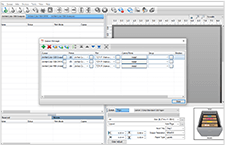
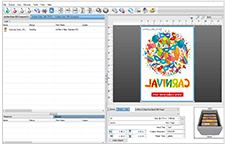
This professional version is designed for higher volume printing with an all new interface. Design files can be printed directly from your favorite graphics program, as well as imported directly into DTF Pro™ ProRIP. Bhabi Ji Ghar Par Hain Episode 1
The DTF Pro™ ProRIP software allows the user to control the spot white channel feature. Three cartridge configurations are available: Spot color overprinting, where white is needed as a top color for textiles; Spot color underprinting for printing on dark or transparent media where white is needed as a background color and standard CMYK printing where a spot color is not needed. No need to create additional graphics with different color configurations – the software does it all – and in one pass! Enhance the brilliance of any graphic with white behind color! A: Not really
Compatible with Microsoft Windows® 8 / 10 / 11 (x32 & x64) only. However, to understand why Tiwari hates Vibhuti so
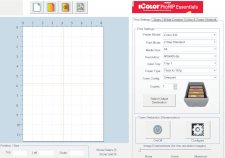
A simplified version of ProRIP which includes all of the most commonly used features of ProRIP with an easy to use interface. This Essentials version simplifies the printing process and allows the user to print efficiently and quickly without any training. All of the important and frequently used aspects of the software are included in this version, while all of the ‘never used’ or confusing aspects of the software are left out.
Comes standard with the IColor®540 and 560 models and is compatible with the IColor 550 as well.
Does not work with IColor 500, 600, 650 or 800 (yet).
Improvements over the ‘Standard’ ProRIP:
A: Not really. The show is an infinite loop. Angoori is still innocent, Vibhuti is still trying to see her. However, to understand why Tiwari hates Vibhuti so much (beyond just Angoori), Episode 1 provides the "Pajama origin story."
Meanwhile, (Happu Singh’s character introduction) enters the scene. In 2015, he wasn’t the "Happu" we know today; he was just a corrupt cop looking for a bribe. When Tiwari refuses to pay the hafta (protection money), Saxena threatens to book him for "pollution" because his sweetshop smells too sweet. The Climax of the Premiere: The Pajama Plot Twist As the episode builds toward its conclusion, the main plot resolves around the missing pajama. It turns out, Tiwari stole the pajama to stitch a handkerchief for himself (a running gag about Tiwari’s stinginess). But here comes the genius writing: Angoori Bhabi finds the pajama.
A: Surprisingly, no. The first week had moderate ratings. The word of mouth spread via memes of Aashif Sheikh’s expressions. By Episode 15, it was the number one show in the Hindi comedy genre. The Verdict: A Masterclass in Pilot Writing Re-watching Bhabi Ji Ghar Par Hain Episode 1 is a humbling experience for any aspiring comedy writer. It proves that you don't need a big budget to launch a mega-hit. You need a tight script, impeccable timing, and a setting so relatable (the nosy neighbor) that the entire country nods along.
So, if you are feeling low, or if you just miss the simpler days of 2015, pull up that fuzzy YouTube video. Watch Vibhuti dangle from that balcony pipe. Watch Tiwari eat his rasgulla in slow motion. Watch Angoori wave that smelly pajama. You will smile. You will laugh. And you will understand why, after 2,000+ episodes, the hunt for "Bhabi Ji" never gets old. Have you watched the latest episode? Do you remember the original plot of Episode 1? Let us know in the comments below!
When a television show runs for over 1,500 episodes and dominates the comedy genre for nearly a decade, it is easy to forget where it all began. For the legions of fans who still tune into &TV every night, the phrase Bhabi Ji Ghar Par Hain Episode 1 is more than just a YouTube search query; it is a pilgrimage back to the origins of modern Indian sitcom gold.
The comedy of errors begins when his wife, , suggests he ask Tiwari, the neighbor. Vibhuti refuses, citing his ego. This small domestic squabble establishes the "Cat on a Wall" status of the Mishra household—Vibhuti is henpecked, and Malti runs the roost. The Introduction of the "Lakshagriha" (The Modern Colony) The physical setting of Modern Colony is introduced here. It is a cramped, up-down house layout where the balconies face each other. When Vibhuti steps onto his terrace to shout at his wife, he sees Angoori Bhabi hanging clothes on the adjacent terrace.
In an era where OTT platforms push edgy, profanity-laden "adult comedies," Bhabiji stands tall on the pillar of Shuddh (pure) Hindi innuendo. Episode 1 is the blue key that opened the lock of Indian prime-time television. It is not just a TV episode; it is a time capsule of when laughter was simple, clean, and undeniably Kanpuriya.
A: Not really. The show is an infinite loop. Angoori is still innocent, Vibhuti is still trying to see her. However, to understand why Tiwari hates Vibhuti so much (beyond just Angoori), Episode 1 provides the "Pajama origin story."
Meanwhile, (Happu Singh’s character introduction) enters the scene. In 2015, he wasn’t the "Happu" we know today; he was just a corrupt cop looking for a bribe. When Tiwari refuses to pay the hafta (protection money), Saxena threatens to book him for "pollution" because his sweetshop smells too sweet. The Climax of the Premiere: The Pajama Plot Twist As the episode builds toward its conclusion, the main plot resolves around the missing pajama. It turns out, Tiwari stole the pajama to stitch a handkerchief for himself (a running gag about Tiwari’s stinginess). But here comes the genius writing: Angoori Bhabi finds the pajama.
A: Surprisingly, no. The first week had moderate ratings. The word of mouth spread via memes of Aashif Sheikh’s expressions. By Episode 15, it was the number one show in the Hindi comedy genre. The Verdict: A Masterclass in Pilot Writing Re-watching Bhabi Ji Ghar Par Hain Episode 1 is a humbling experience for any aspiring comedy writer. It proves that you don't need a big budget to launch a mega-hit. You need a tight script, impeccable timing, and a setting so relatable (the nosy neighbor) that the entire country nods along.
So, if you are feeling low, or if you just miss the simpler days of 2015, pull up that fuzzy YouTube video. Watch Vibhuti dangle from that balcony pipe. Watch Tiwari eat his rasgulla in slow motion. Watch Angoori wave that smelly pajama. You will smile. You will laugh. And you will understand why, after 2,000+ episodes, the hunt for "Bhabi Ji" never gets old. Have you watched the latest episode? Do you remember the original plot of Episode 1? Let us know in the comments below!
When a television show runs for over 1,500 episodes and dominates the comedy genre for nearly a decade, it is easy to forget where it all began. For the legions of fans who still tune into &TV every night, the phrase Bhabi Ji Ghar Par Hain Episode 1 is more than just a YouTube search query; it is a pilgrimage back to the origins of modern Indian sitcom gold.
The comedy of errors begins when his wife, , suggests he ask Tiwari, the neighbor. Vibhuti refuses, citing his ego. This small domestic squabble establishes the "Cat on a Wall" status of the Mishra household—Vibhuti is henpecked, and Malti runs the roost. The Introduction of the "Lakshagriha" (The Modern Colony) The physical setting of Modern Colony is introduced here. It is a cramped, up-down house layout where the balconies face each other. When Vibhuti steps onto his terrace to shout at his wife, he sees Angoori Bhabi hanging clothes on the adjacent terrace.
In an era where OTT platforms push edgy, profanity-laden "adult comedies," Bhabiji stands tall on the pillar of Shuddh (pure) Hindi innuendo. Episode 1 is the blue key that opened the lock of Indian prime-time television. It is not just a TV episode; it is a time capsule of when laughter was simple, clean, and undeniably Kanpuriya.
Use the DTF Pro™ TransferRIP software to print white as an underprint or overprint in one pass.
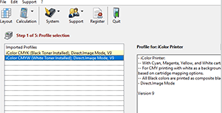
Designed for every day, short to mid run use, the DTF Pro™ TransferRIP software allows the user to control the spot white channel feature. Two cartridge configurations are available: White overprint, where white is needed as a top color for textiles; and white underprint for printing on dark or transparent media where white is needed a round color. No need to create additional graphics with different color configurations – the software does it all – and in one pass! Enhance the brilliance of any graphic with white behind color!
Compatible with Microsoft Windows 7 / 8 / 10 (x32 & x64) only.