Big Bubbling Butt Club African Amazon Better Access
Ultimately, it's essential to prioritize the agency and individuality of African and Amazonian women, rather than reducing them to their physical appearance. By doing so, we can promote a more positive and empowering conversation around body image, cultural appreciation, and diversity.
However, the "Big Bubbling Butt Club" phenomenon has also been criticized for objectifying and exoticizing African and Amazonian women. By reducing these women to their physical appearance, often focusing on their buttocks and curvy figures, the phenomenon perpetuates a form of neocolonialism and cultural exploitation. big bubbling butt club african amazon better
African and Amazonian women are not merely objects of beauty; they are complex individuals with rich cultural backgrounds, diverse experiences, and multifaceted identities. By stripping them of their agency and individuality, the "Big Bubbling Butt Club" phenomenon reinforces a form of cultural erasure, where these women's lives, struggles, and achievements are ignored or marginalized. Ultimately, it's essential to prioritize the agency and
For instance, some critics argue that the Western world's fascination with African and Amazonian women's bodies is a form of cultural appropriation, where aspects of these cultures are taken out of context and used for personal or commercial gain. This raises questions about the ownership and commodification of cultural beauty standards, as well as the historical power dynamics between Western and non-Western cultures. By reducing these women to their physical appearance,
The "Big Bubbling Butt Club" phenomenon also raises questions about beauty standards and cultural appropriation. The appreciation for curvy figures is not inherently problematic; however, when this appreciation is rooted in cultural appropriation and a lack of understanding, it becomes problematic.

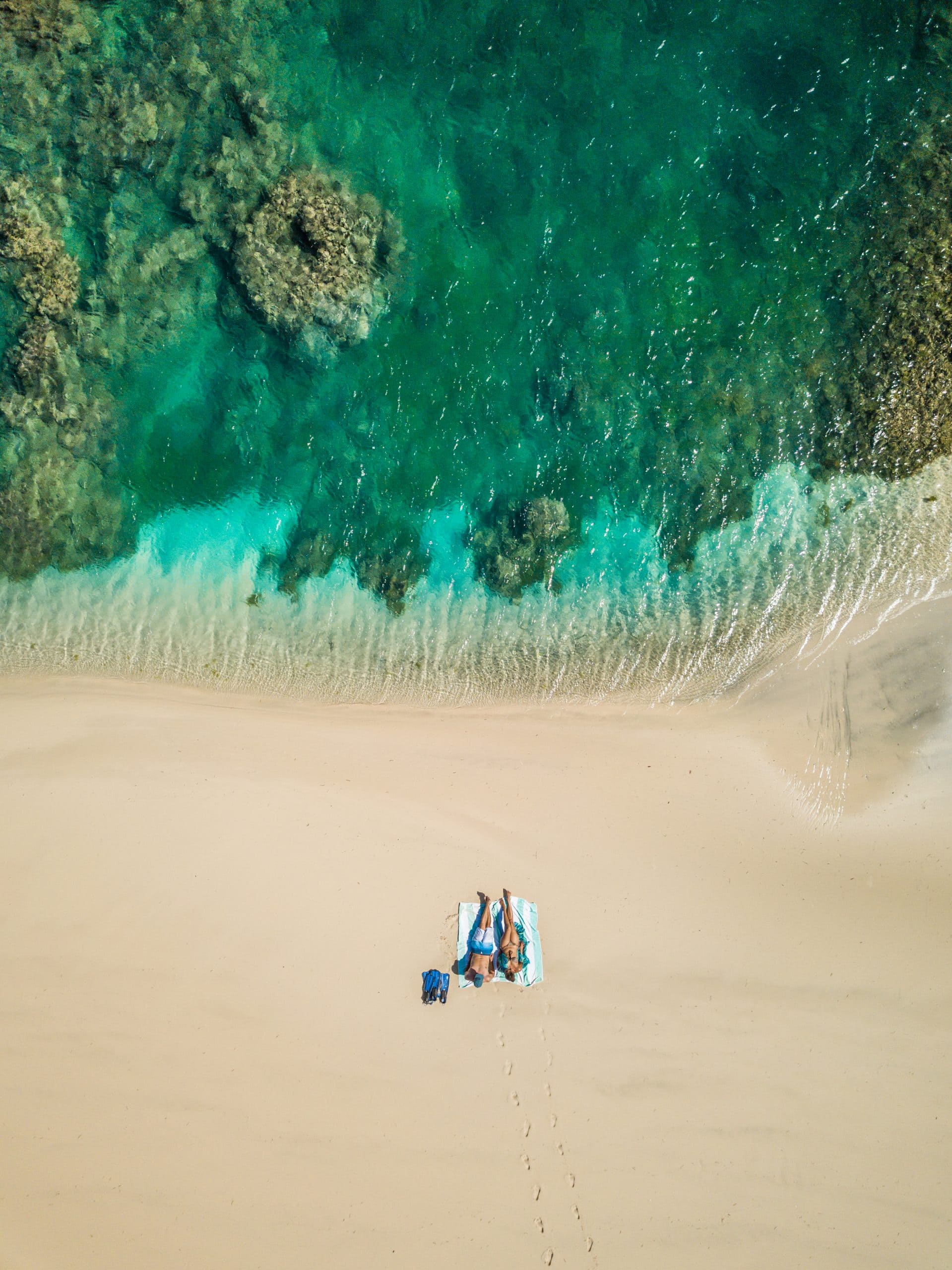
We spent five days at Miavana. The place is just out of this world! I cannot find words to qualify it. Miavana is so so so great the island is THE MOST BEAUTIFUL PLACE I know! That team are very helpful and effective. And the food is just amazing!
Laya, 2023
Extraordinary staff, very relaxing with beautiful scenery. Well after a few hours a wave of peace floated in and for the next few days we were in heaven.
Carla, 2020
Breathtakingly beautiful and indescribably luxurious. Cannot fault or complain about absolutely anything. The Miavana team, the food, the beautiful accommodation creates paradise within paradise. This is a one of a kind place that will exceed your highest expectations!
Marina, 2022
My week long stay at Miavana was unparalleled in almost every aspect of luxury. Defining luxury not only in terms of great quality and exclusivity, but in terms of craftsmanship, consciousness and a unique enriching experience. The richness of the culture set the context for such unique environment, and is the pillar of every impressive distinguishing feature of Miavana.
Tessa, 2023
Miavana will exceed your expectations. We traveled to Miavana for a week and had an incredible experience. The weather was perfect, the staff was attentive and there was enough activities on offer to keep us busy (honestly we could have stayed an extra week). The island is also home to a group of crowned lemurs which were amazing to see!
Ashley, 2022
All rights reserved 2026 Miavana by Time + Tide