
Bksd-015 No Questions Asked 14 Forced Destruction Of The May 2026
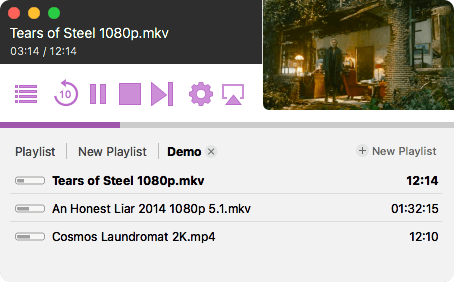
The ultimate way to watch
your videos
on Chromecast, Apple TV and AirPlay 2 enabled TVs.


Ultimately, the destruction of the unwanted is a stark reminder of the darker aspects of human nature. However, by shedding light on these issues and engaging in open and honest dialogue, we can work towards creating a more just, equitable, and sustainable world for all.
Forced destruction refers to the intentional and deliberate destruction of something, often without regard for its value, utility, or sentimental significance. This destruction can be physical, emotional, or psychological, and can be carried out by individuals, organizations, or governments. In the context of BKSD-015 No Questions Asked 14, forced destruction takes on a more sinister tone, implying a sense of coercion, manipulation, or exploitation.
The concept of forced destruction has been a topic of interest and debate in various fields, including philosophy, psychology, sociology, and environmental studies. In the context of BKSD-015 No Questions Asked 14, we will explore the idea of forced destruction and its implications on individuals, communities, and the environment. BKSD-015 No Questions Asked 14 Forced Destruction Of The
Moreover, the act of forced destruction can also have a profound impact on the perpetrator. Individuals who engage in forced destruction may experience a range of emotions, including guilt, shame, and anxiety. In some cases, they may also experience a sense of thrill or excitement, particularly if they are able to exert power and control over others.
Furthermore, forced destruction can also be used as a tool of social control, where dominant groups exert their power over marginalized or minority groups. This can lead to the suppression of cultural practices, languages, and traditions, ultimately contributing to the erasure of entire communities. Ultimately, the destruction of the unwanted is a
As we move forward, it is essential that we prioritize the preservation of cultural heritage, environmental sustainability, and human rights. We must also recognize the psychological, sociological, and environmental implications of forced destruction and work to prevent such acts from occurring in the future.
BKSD-015 No Questions Asked 14 is a specific example of forced destruction that has garnered significant attention in recent years. This particular case involves the destruction of a cultural heritage site, which was allegedly carried out by a government agency without proper consultation or compensation for affected communities. In the context of BKSD-015 No Questions Asked
Research in psychology suggests that forced destruction can have profound effects on individuals, particularly those who are subjected to it. The destruction of personal property, sentimental objects, or cultural heritage can evoke feelings of trauma, anxiety, and loss. In extreme cases, forced destruction can lead to post-traumatic stress disorder (PTSD), depression, and other mental health issues.
Nope. One time payment only. Airflow license does not expire.
You only need one license. You can activate Airflow on all computers that you own using single license.
No worries. You can always retreive your license here.
Please see our troubleshooting page.