In the grand tapestry of world cinema, Malayalam stands unique because it refuses to lie about its culture. It is raw, loud, melancholic, and gloriously specific. And in that specificity lies its universality. For anyone seeking to understand the soul of Kerala—beyond the tourist brochures—the answer is always playing at a theater near you or streaming in your living room. Press play.
This has created a feedback loop. The diaspora demands "authentic" culture—they want to see the Vallam Kali (boat race) and hear the Chenda drum. In response, filmmakers are doubling down on niche cultural details. The result is a golden age of content where high-brow art films ( Nna Thaan Case Kodu ) coexist with clever mass entertainers ( Romancham ). Malayalam cinema is not an escape from reality; it is a confrontation with it. It holds up a mirror to a society that is literate enough to critique itself, radical enough to change, and traditional enough to feel the pain of that change.
These representations matter. They educate the non-Malayali viewer that Kerala's culture is not a monolith of Hindu mythology, but a tapestry of Abrahamic and Dravidian threads interwoven seamlessly. The cultural shift known as the "New Generation" movement (circa 2010-2015) fundamentally altered Malayali self-perception. Before this, Malayalam cinema had its share of "mass" heroes—Mohanlal and Mammootty in roles that defied gravity and logic. However, films like Traffic (2011), Ustad Hotel (2012), and Annayum Rasoolum (2013) dismantled the hero figure. In the grand tapestry of world cinema, Malayalam
Take the cult classic Sandhesam (1991). The film’s political satire worked because the characters spoke like actual Keralites—switching between the nasal Malappuram dialect and the crisp Thiruvananthapuram slang. Similarly, the 2024 hit Aavesham became a blockbuster not because of its plot, but because the protagonist Ranga spoke a street-smart, hybrid Malayalam that felt instantly authentic to the youth.
Suddenly, the lead actor could be short, dark, unemployed, and psychologically fragile. Kumbalangi Nights (2019) took this further. Set in a fishing hamlet, the film explored toxic masculinity, mental health (the "Frankenstein" complex of the character Shammi), and brotherly love. This was a direct reflection of changing Kerala—a society grappling with rising divorce rates, increased psychological counseling, and the erosion of the joint family system. For anyone seeking to understand the soul of
In a culture where politics is dinner table conversation, these films act as op-eds. They radicalize, they anger, and they heal. The state government has even collaborated with filmmakers for propaganda shorts, while simultaneously censoring films that go too far. This dance between art and the state is a distinctly Malayali drama. The advent of OTT platforms (Netflix, Amazon, Sony LIV) has decoupled Malayalam cinema from the traditional box office. Now, a film like Jana Gana Mana or Malayankunju reaches the diaspora in the UK, the US, and Singapore instantly.
When you watch a Malayalam film, you are not just watching a story. You are watching the monsoon hit the tin roof of a chaya kada . You are listening to the rhythm of a Thiruvathira song. You are feeling the anxiety of a man waiting for a visa to Kuwait. You are smelling the kappayum meenum (tapioca and fish) in a roadside stall. The diaspora demands "authentic" culture—they want to see
This linguistic commitment is a form of cultural resistance. In a globalizing world where English dominates the Indian elite, Malayalam cinema insists that the deepest emotions—rage, love, grief, humor—are best expressed in the mother tongue. It validates the daily speech of 35 million people, turning the local into the universal. For decades, mainstream Indian cinema portrayed minorities through a limited, often stereotypical lens. Malayalam cinema has historically been more nuanced. The Mappila (Malabar Muslim) culture, with its unique marriage rituals ( Nikah ), folk songs ( Mappila Paattu ), and trade history, has produced iconic films like Oru Vadakkan Veeragatha (1989) and the more recent Sudani from Nigeria (2018).
Leica TCR805 R400. battery, charger, carry case
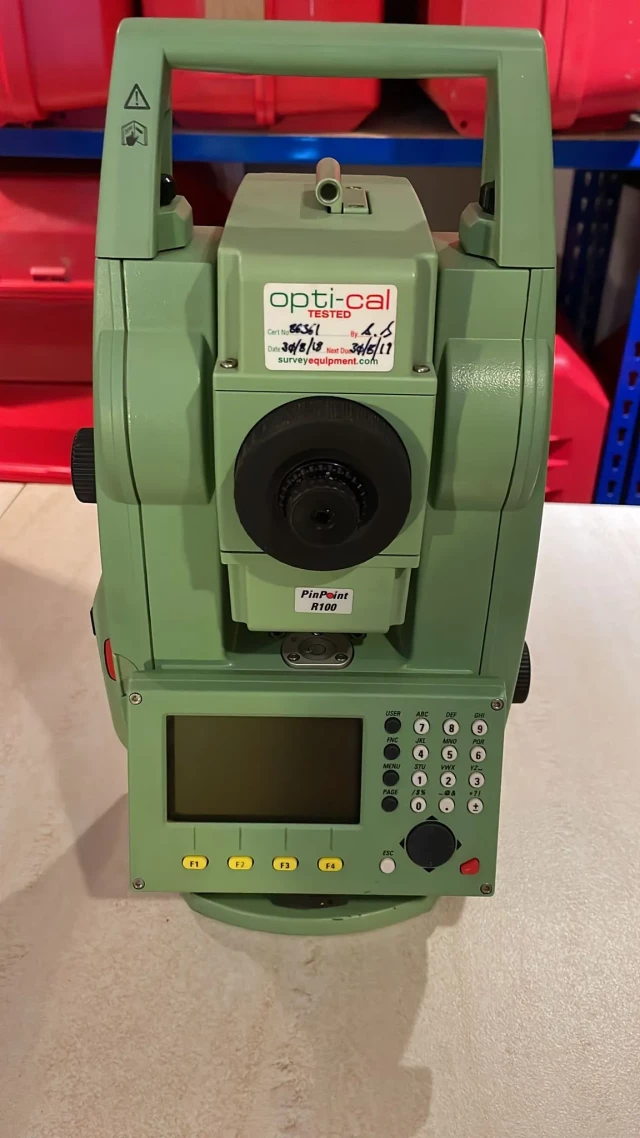
battery, charger, carry case
Brand: Leica Geosystems
Category: Manual Total Stations
Product: No-Name
Price: $2652
Target Tracking: No
AutoCenter: No
Imaging: No
Scanning: No
Brand: Leica Geosystems
Model: TCR805 Power R400
Year of manufacture: 2008
Condition: Used
Made In: Switzerland
Usage:
Item Number: 754232
Angular Accuracy: 5
Reflectorless Range: 400
Distance Measurment:
Enviromental Conditions:
Data Storage: