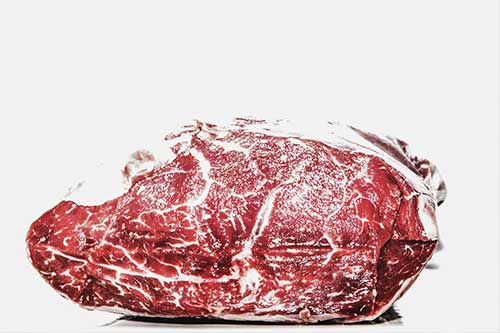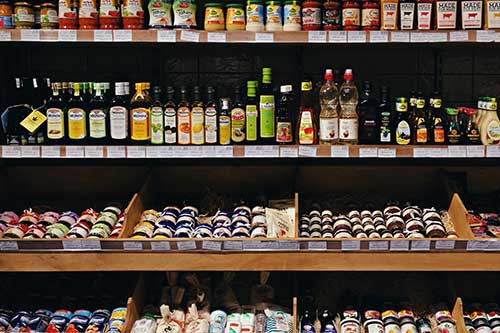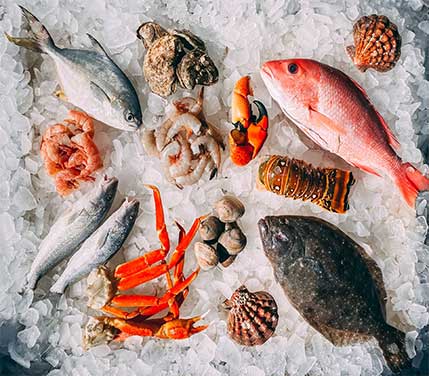
We supply Chilled Meat, Frozen Meat, Sea Food, Beverages, General Dry Food, Spices to Hotels, Restaurants, and Caterers in Saudi Arabia.


For content creators, this means that must be "evergreen." Content that dies after a single viewing is less valuable than content that inspires theories, reaction videos, and cosplay. This is why cliffhangers are no longer just season finales; they are embedded in every episode, every trailer, and every social media post. The Economy of Attention: How Money Moves The traditional revenue streams—box office tickets, cable subscriptions, and ad revenue—have been disrupted. The new oil is engagement time.
This hyper-personalization has created the "Filter Bubble of Fun." While this keeps engagement high, it also fragments the monoculture. In the 1990s, 40% of Americans watched the Seinfeld finale. Today, no single piece of commands that share of voice. Instead, we have thousands of micro-cultures thriving in parallel—K-pop stans, ASMR enthusiasts, hardcore survival game streamers. The Franchise Era: IP Dominance in Popular Media If you look at the highest-grossing films or the most streamed shows of the last decade, a pattern emerges. Original ideas are increasingly risky; franchises are safe. missax230418luluchumakemegooddaddyxxx top
Disney’s acquisition of Marvel, Lucasfilm, and Fox signaled a seismic shift. The dominant model of is now the "Shared Universe." We don't just watch Star Wars ; we live in it. We watch the movies, the spin-off series ( Andor ), the Lego specials, and the behind-the-scenes documentaries. This forms an "endless narrative." For content creators, this means that must be "evergreen
Furthermore, the sheer volume of available leads to "Decision Paralysis" and "Burnout." The average consumer spends 10 minutes per day just deciding what to watch. The fear of missing out (FOMO) drives us to consume faster, but enjoy less. The Future: AI, Interactive Narratives, and the Metaverse Where is the relationship between entertainment content and popular media headed? Three trends dominate the forecast: The new oil is engagement time
Popular media has moved from appointment viewing (I watch at 8 PM) to continuous grazing (I watch when I want). Streaming algorithms like those used by Netflix and Spotify have perfected the art of the "recommendation engine." These engines don’t just suggest what you like; they identify your emotional state. Are you anxious? Here is a comfort sitcom. Are you angry? Here is a true crime documentary.
In the modern digital ecosystem, the phrase entertainment content and popular media is no longer just a descriptor for movies, TV shows, or celebrity gossip. It has become the invisible architecture of our daily lives. From the moment we wake up to a curated TikTok feed to the hours spent binge-watching a Netflix series or dissecting the latest Marvel lore on Reddit, these two forces have merged into a single, powerful cultural current.
The catalyst was the smartphone. Suddenly, everyone with a camera became a creator. YouTube demoted Hollywood directors and elevated video essayists. Instagram turned photographers into influencers. The result is a democratized landscape where feed off each other in a symbiotic loop. A popular tweet becomes the basis for a late-night monologue, which becomes a clip on YouTube, which becomes a meme on Instagram.
We supply Chilled Meat, Frozen Meat, Sea Food, Beverages, General Dry Food, Spices to Hotels, Restaurants, and Caterers in Saudi Arabia.