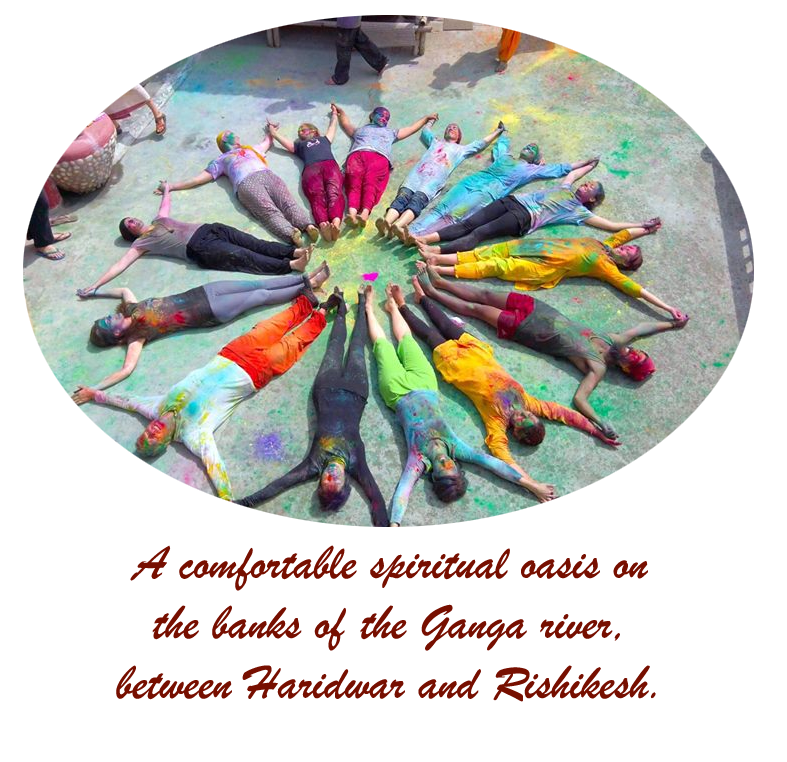
To spread the original, universal and eternal truth, path or law of yoga, which remains forever the same in essence, yet always adapts to the time and place.
|
To spread the original, universal and eternal truth, path or law of yoga, which remains forever the same in essence, yet always adapts to the time and place. |
|
Historically, the cornerstone of an Indian woman’s life has been the joint family system (multiple generations living under one roof). For centuries, a woman’s identity was nested within her roles: daughter, wife, daughter-in-law, mother. This system provided a safety net—childcare, financial support, and emotional security—but also demanded strict adherence to hierarchy.
Yet, a quiet revolution is underway. Rural women's self-help groups (SHGs) are challenging financial dependence, while urban women are openly discussing divorce, single motherhood, and chosen infertility. The modern Indian woman is redefining Pativrata from "devotion" to "partnership." Clothing is the most visible marker of Indian women’s culture. Unlike Western fashion’s rapid churn, Indian attire is deeply symbolic. moti aunty nangi photos extra quality
The Sanskrit term Pativrata —a wife who considers her husband a deity—has historically defined the ideal Indian woman. Think of Savitri who outsmarted the god of death, or Sita who followed her husband into exile. While overt worship of husbands has faded in cities, its echoes remain. Many women still wear the mangalsutra (sacred necklace) and sindoor (vermilion in the hair parting) as markers of marital status. The expectation to put family above career, to cook elaborate meals, and to manage the "emotional labor" of the household remains disproportionately high. Historically, the cornerstone of an Indian woman’s life
The elder "Bhabhi" (sister-in-law) or "Saas" (mother-in-law) held significant power. A young bride was expected to practice ghar jamai , the art of assimilating into her husband’s family, often subsuming her parental identity. Today, urbanization and economic independence have led to a surge in nuclear families. However, the emotional and cultural umbilical cord remains strong: most urban women still consult their mothers or mothers-in-law for major life decisions, and festivals are still marked by reluctant treks back to the "native village." Yet, a quiet revolution is underway
Lifestyle and culture, for them, are not about conforming to a single ideal. They are about samaaveshan —adaptation—finding a thousand small ways to honor the ancestors while forging a path for the daughters yet to come.
Over 200 ways exist to drape a sari—from the Nivi of Andhra Pradesh to the Mundum Neriyathum of Kerala and the Seedha Pallu of Gujarat. For many women, wearing a sari is a daily performance of discipline and elegance. It is the uniform of the bank teller, the schoolteacher, and the politician. However, younger urban women are relegating the sari to weddings and festivals, favoring its more practical cousin: the .
The 21st-century Indian woman’s wardrobe is a masterclass in fusion. She might wear jeans and a kurta to work, a lehenga for a cousin’s wedding, and gym leggings under a long kurti for airport travel. The Palazzo suit—a blend of the salwar and Western pajama—has become the unofficial national uniform for comfort. Furthermore, the power suit is gaining ground in boardrooms, but it is often accessorized with traditional jhumkas (earrings) and a bindi (forehead dot), asserting that modernity does not require cultural erasure.