Sekunder 2009 Film -
As Mikael digs deeper, he uncovers a conspiracy that is less about external villains and more about the fragility of perception. Is he suffering from a neurological disorder? Is he being gaslit by his colleagues? Or has he stumbled into a rift in time itself?
The sound design is arguably the film's MVP. The ticking of a wristwatch becomes a percussive heartbeat. Background noise—traffic, a distant radio, dripping water—is amplified to uncomfortable levels. Director Hedin has stated in interviews that he wanted the audience to feel like they were inside Mikael’s skull, hearing every faint noise as a potential threat. Upon its release in Sweden in 2009, Sekunder received mixed-to-positive reviews. Critic Jan Söderqvist of Dagens Nyheter wrote: "Hedin creates an atmosphere of palpable dread, even if the third act confuses more than it resolves." Audiences on Swedish forums praised the film's bravery, though many complained it was "too slow." sekunder 2009 film
Internationally, the film never got a proper DVD release in regions 1 or 2. However, it occasionally surfaces on streaming platforms like SF Anytime or via rare import Blu-rays. This scarcity has contributed to the intrigue surrounding the search query—people are actively trying to find where to watch this lost thriller. As Mikael digs deeper, he uncovers a conspiracy
If you ever find a copy, do not watch it on a phone or a laptop. Watch it in the dark, listen to the tick, and hold onto every single second. Have you seen the 2009 film Sekunder? Share your thoughts in the comments below. And if you know where it’s currently streaming, help fellow cinephiles track down this Swedish cult classic. Or has he stumbled into a rift in time itself
Hedin’s approach to the was to use real-time sequences. Several scenes are filmed in continuous takes, mimicking the film’s title—each "second" is lived in real agony by the protagonist. The film’s budget was modest, but Hedin used this constraint to his advantage, turning ordinary locations (apartment blocks, parking garages, empty office lobbies) into labyrinths of dread. Key Themes in Sekunder Why does the "sekunder 2009 film" still resonate with viewers over a decade later? Because it taps into universal modern anxieties. 1. The Anxiety of Missing Time In a world where we document every moment on social media, the idea of losing a few seconds—of having a gap in your consciousness—is terrifying. Sekunder explores the "lost time" phenomenon often associated with dissociative disorders or alien abduction lore, but keeps it grounded in reality. 2. Technological Paranoia Though made in 2009, the film predicts the surveillance state. Mikael is constantly watched by security cameras. His phone glitches. His computer screen flickers with static. The film suggests that modern technology doesn't just record time; it steals it. 3. Isolation vs. Reality The film uses Sweden’s winter darkness—the long nights and sparse social interactions—as a character in itself. Mikael’s isolation amplifies his fear. Without witnesses, how can he prove that his missing seconds actually happened? Cinematography and Sound Design For those analyzing the sekunder 2009 film from a technical perspective, the cinematography by Mats Olof Olsson is remarkable. The color palette is desaturated: blues, grays, and sickly yellows dominate. There is a grain to the image that feels like old 16mm film, enhancing the sense of memory and decay.
In the vast landscape of Scandinavian cinema, the early 2000s produced a wave of psychologically intense thrillers that often flew under the international radar. While viewers are familiar with hits like The Girl with the Dragon Tattoo or Let the Right One In , there are hidden gems waiting to be unearthed. One such film is Henrik Hedin’s Sekunder (2009) .
Prophets In Quran & Their Ancestry
A Journey Through Revelation - Unveiling The Prophetic Legacy
Read More
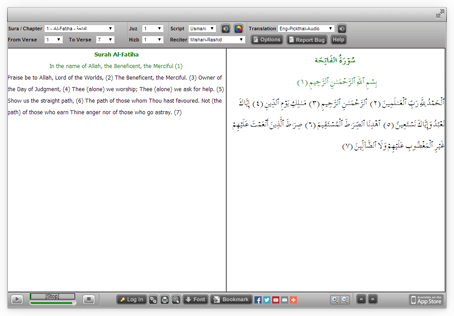
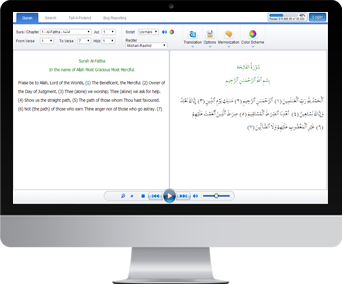
Quran Explorer
Our well known Web client for Recitation & Translation. Its user friendly & completely installation free
Visit Now



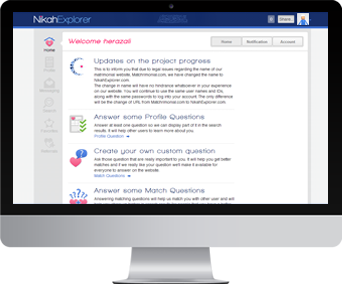
Nikah Explorer
NikahExplorer.com is the #1 choice for Single Muslims across the globe to find their ideal life partner through a unique Shariah compliant match making website
Register For Free
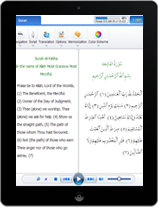
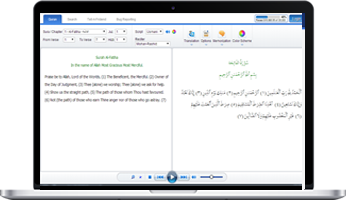
New Quran Explorer Web App
Compatible with your new Tablet & Smartphone along with advance log in & tracking feature
Visit Now
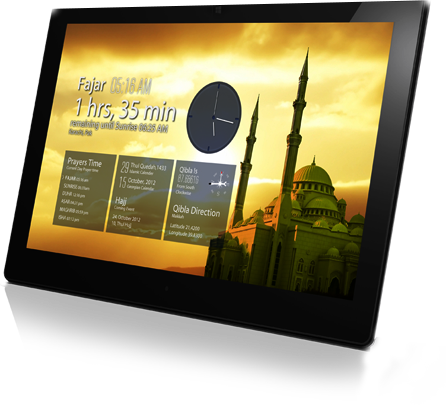
Salah Explorer
- Auto detect local Salah times
- Salah time view in 5 or 30 days interface
- Location based Qibla direction
- Both Islamic and Georgian calendar
- Salah timings for Hanfi & Shafi
- Custom location settings
- Automatically updates when connected
Download
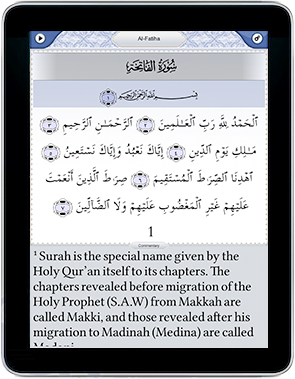
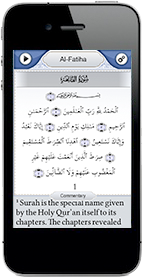
iPhone / iPad App
Simple to use with high quality audio. Your favorite Quran reading application is now available for iPhone & iPad with lots of new features
Visit App Store
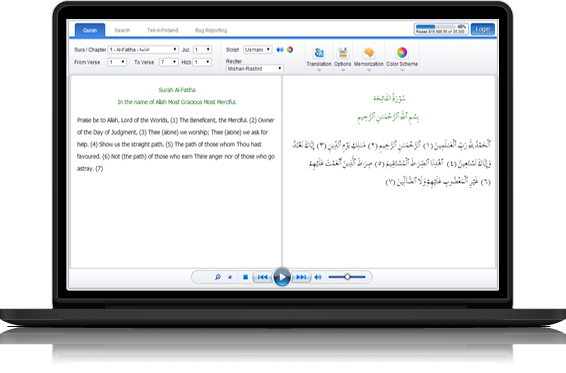
Quran Desktop
Listen to The Quran recitation & translation in Arabic, English and Urdu. This application is now available in both online & offline modes
Get Desktop App
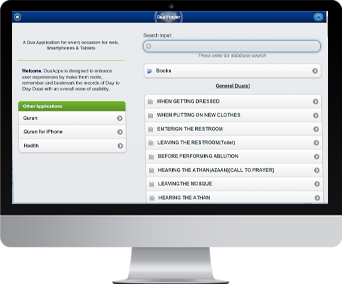
Dua App
Four popular Dua books digitized and searchable containing 1000+ Duas (Supplications) for daily use or special circumstances. Designed to be optimized for Tablets, Smart Phones, and Desktop
Visit Now

Quran Interactive
Learn to read The Holy Quran online with professional teachers. Join hundreds of people that are benefiting from our advance teaching system
Sign up now for a 2 days FREE trial evaluation
Sign UP Now
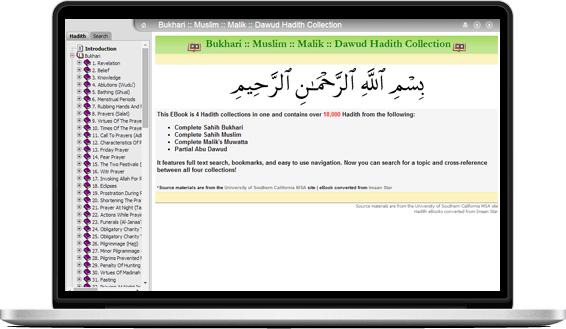
Hadith Explorer
18,000+ Hadith from Bukhari, Muslim, Malik and Dawud searchable & organized in easy to view chapters
Visit Now
As Mikael digs deeper, he uncovers a conspiracy that is less about external villains and more about the fragility of perception. Is he suffering from a neurological disorder? Is he being gaslit by his colleagues? Or has he stumbled into a rift in time itself?
The sound design is arguably the film's MVP. The ticking of a wristwatch becomes a percussive heartbeat. Background noise—traffic, a distant radio, dripping water—is amplified to uncomfortable levels. Director Hedin has stated in interviews that he wanted the audience to feel like they were inside Mikael’s skull, hearing every faint noise as a potential threat. Upon its release in Sweden in 2009, Sekunder received mixed-to-positive reviews. Critic Jan Söderqvist of Dagens Nyheter wrote: "Hedin creates an atmosphere of palpable dread, even if the third act confuses more than it resolves." Audiences on Swedish forums praised the film's bravery, though many complained it was "too slow."
Internationally, the film never got a proper DVD release in regions 1 or 2. However, it occasionally surfaces on streaming platforms like SF Anytime or via rare import Blu-rays. This scarcity has contributed to the intrigue surrounding the search query—people are actively trying to find where to watch this lost thriller.
If you ever find a copy, do not watch it on a phone or a laptop. Watch it in the dark, listen to the tick, and hold onto every single second. Have you seen the 2009 film Sekunder? Share your thoughts in the comments below. And if you know where it’s currently streaming, help fellow cinephiles track down this Swedish cult classic.
Hedin’s approach to the was to use real-time sequences. Several scenes are filmed in continuous takes, mimicking the film’s title—each "second" is lived in real agony by the protagonist. The film’s budget was modest, but Hedin used this constraint to his advantage, turning ordinary locations (apartment blocks, parking garages, empty office lobbies) into labyrinths of dread. Key Themes in Sekunder Why does the "sekunder 2009 film" still resonate with viewers over a decade later? Because it taps into universal modern anxieties. 1. The Anxiety of Missing Time In a world where we document every moment on social media, the idea of losing a few seconds—of having a gap in your consciousness—is terrifying. Sekunder explores the "lost time" phenomenon often associated with dissociative disorders or alien abduction lore, but keeps it grounded in reality. 2. Technological Paranoia Though made in 2009, the film predicts the surveillance state. Mikael is constantly watched by security cameras. His phone glitches. His computer screen flickers with static. The film suggests that modern technology doesn't just record time; it steals it. 3. Isolation vs. Reality The film uses Sweden’s winter darkness—the long nights and sparse social interactions—as a character in itself. Mikael’s isolation amplifies his fear. Without witnesses, how can he prove that his missing seconds actually happened? Cinematography and Sound Design For those analyzing the sekunder 2009 film from a technical perspective, the cinematography by Mats Olof Olsson is remarkable. The color palette is desaturated: blues, grays, and sickly yellows dominate. There is a grain to the image that feels like old 16mm film, enhancing the sense of memory and decay.
In the vast landscape of Scandinavian cinema, the early 2000s produced a wave of psychologically intense thrillers that often flew under the international radar. While viewers are familiar with hits like The Girl with the Dragon Tattoo or Let the Right One In , there are hidden gems waiting to be unearthed. One such film is Henrik Hedin’s Sekunder (2009) .