You must install the displaylink-driver via DKMS. However, every kernel update (6.5, 6.6, etc.) breaks the module. You will need to reinstall it via terminal: sudo modprobe evdi Real advice: Linux users should avoid USB 3 to HDMI adapters. Use a spare GPU or a native DisplayPort connection. Conclusion: Driver Management is Key The "usb 3 to hdmi driver" is a unique piece of software that transforms a standard data port into a video output. While convenient for extending displays on thin laptops, the driver experience varies wildly.
The adapter contains a small chipset (usually manufactured by , Silicon Motion , or Fresco Logic ) that converts data from USB protocol to HDMI video protocol. usb 3 to hdmi driver
However, there is one critical piece of software that stands between you and that glorious extended display: You must install the displaylink-driver via DKMS
Go to the official DisplayLink website (synaptics.com) or your adapter manufacturer’s support page. Download the latest "DisplayLink USB Graphics Software for Windows." Use a spare GPU or a native DisplayPort connection
Insert the USB 3.0 cable into a blue USB 3 port (USB 2.0 will work but perform poorly). Connect your HDMI cable to the monitor and adapter.
In the modern era of ultrabooks, MacBooks, and compact laptops, the number of built-in ports has drastically shrunk. While this sleek design is great for portability, it creates a significant problem for professionals who need to connect to projectors, external monitors, or TVs. Enter the USB 3.0 to HDMI adapter —a lifesaver for multi-monitor setups.
Many users fail here. If you plug the adapter in before installing the driver, Windows may try to install a generic, non-functional driver. Leave it unplugged.
 Mercury Transits Scorpio, 6 Dec 2025 till 29 Dec 2025
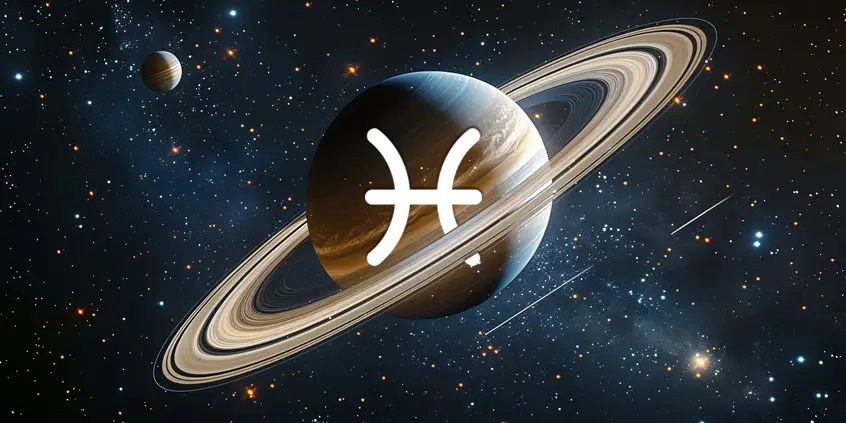 Saturn in Pisces
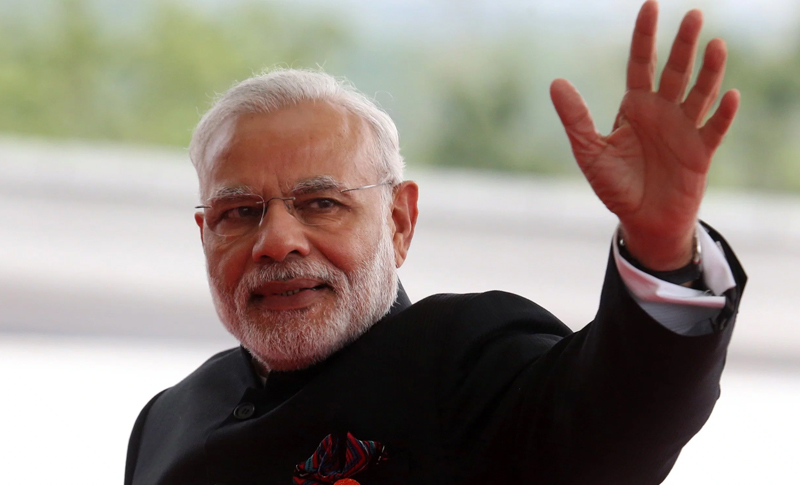 Horoscope Analysis of Narendra Modi
 Diwali 18 Oct till 23 Oct 2025: Date, Puja Time and Significance of this 5-Day Festival