
 Corona SDK (Solar2D)
 Love2D
 Orbit
Orbit
 OpenResty
 LuaSocket
 Torch
Torch
 NodeMCU
Join our community to see how developers are using Workik AI everyday.
Features Of Lua Generator

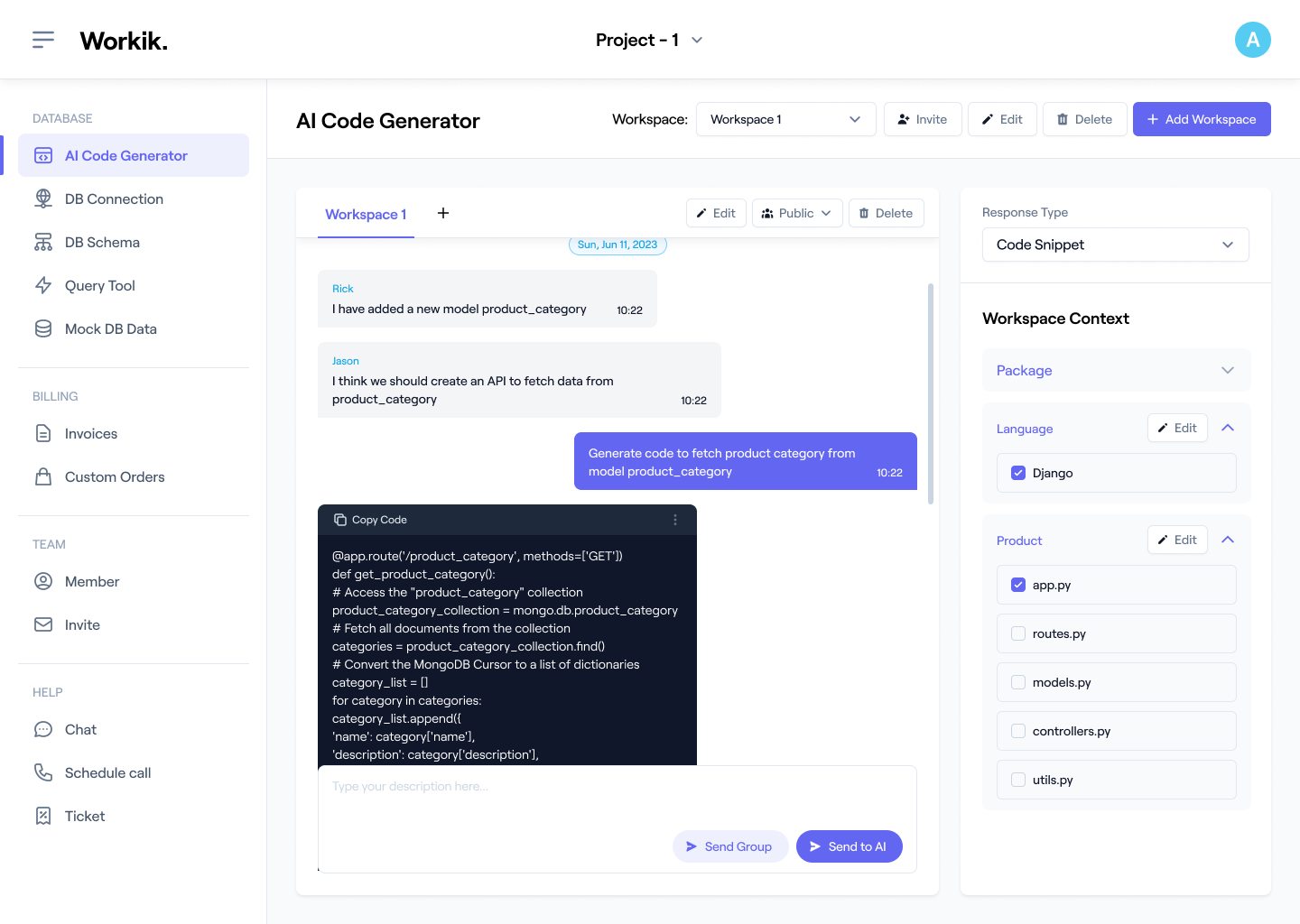
Instant Lua Code Generation
Workik’s AI adapts to your project’s context, generating functional code ready for deployment.

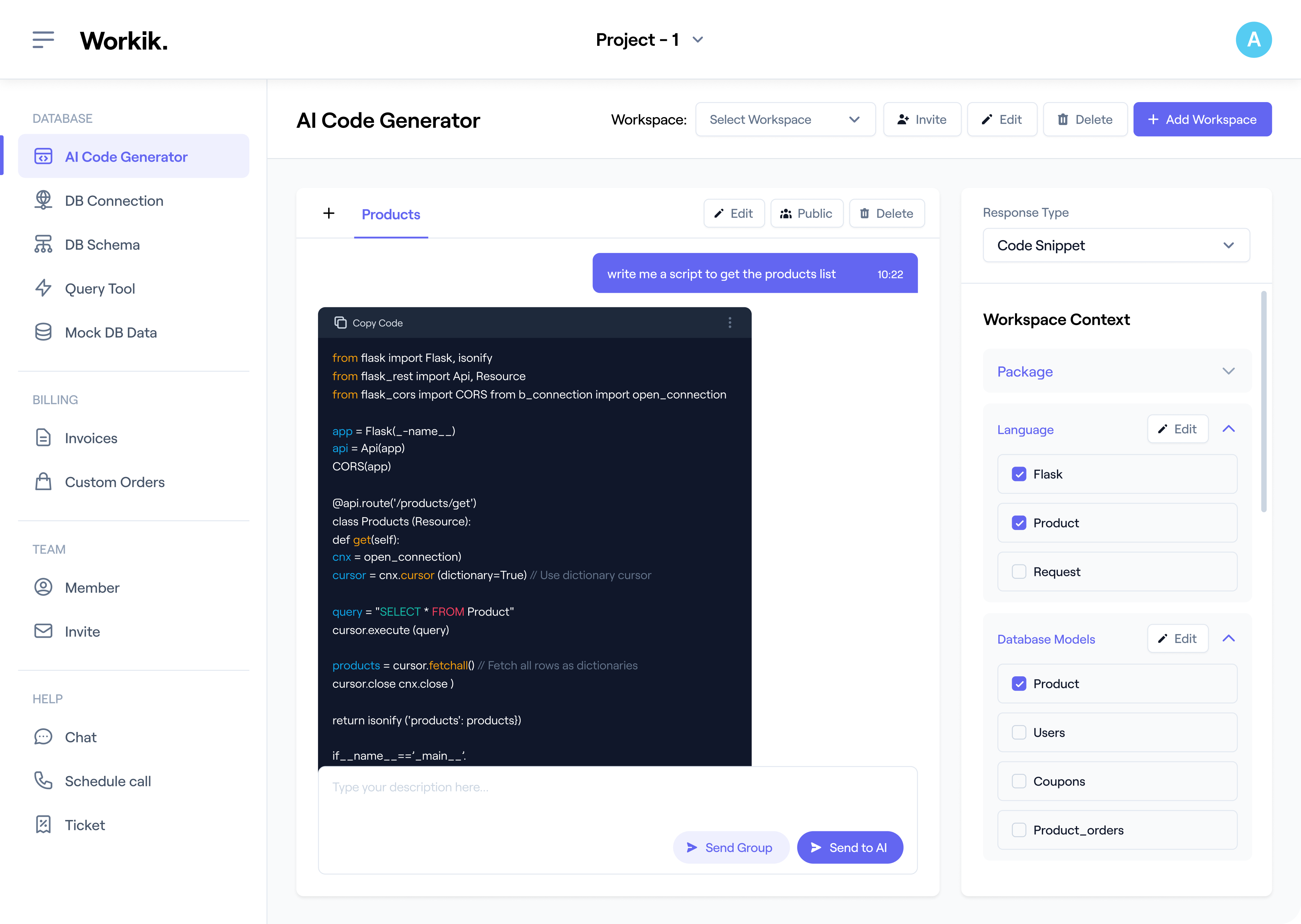
AI-Powered Debugging & Optimization
Whether optimizing Garry’s Mod scripts or improving frame rates in TIC-80, AI ensures your Lua code runs efficiently.
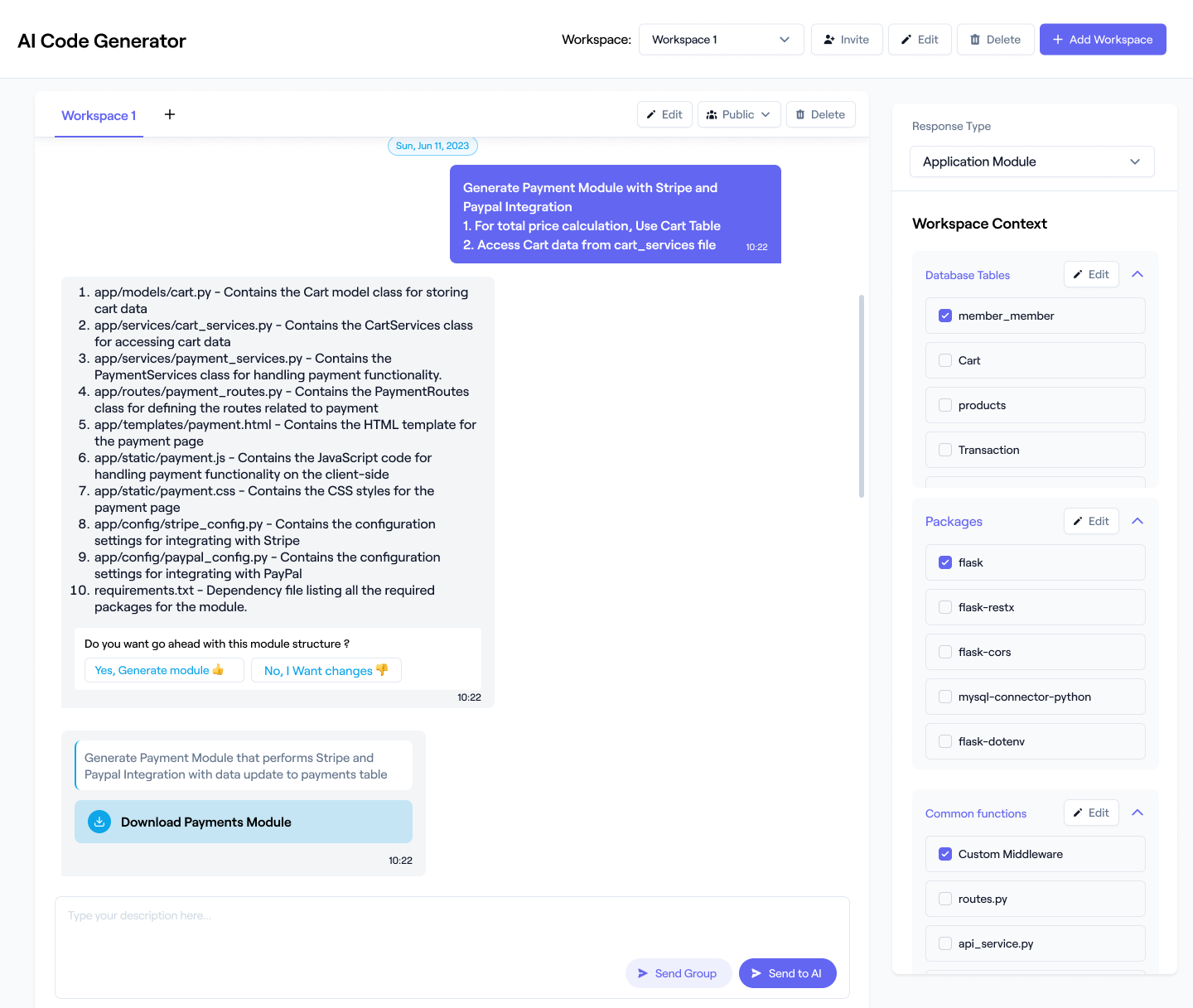
Seamless API Integration
Whether you're using OpenResty or NodeMCU, AI ensures smooth integration into your project.
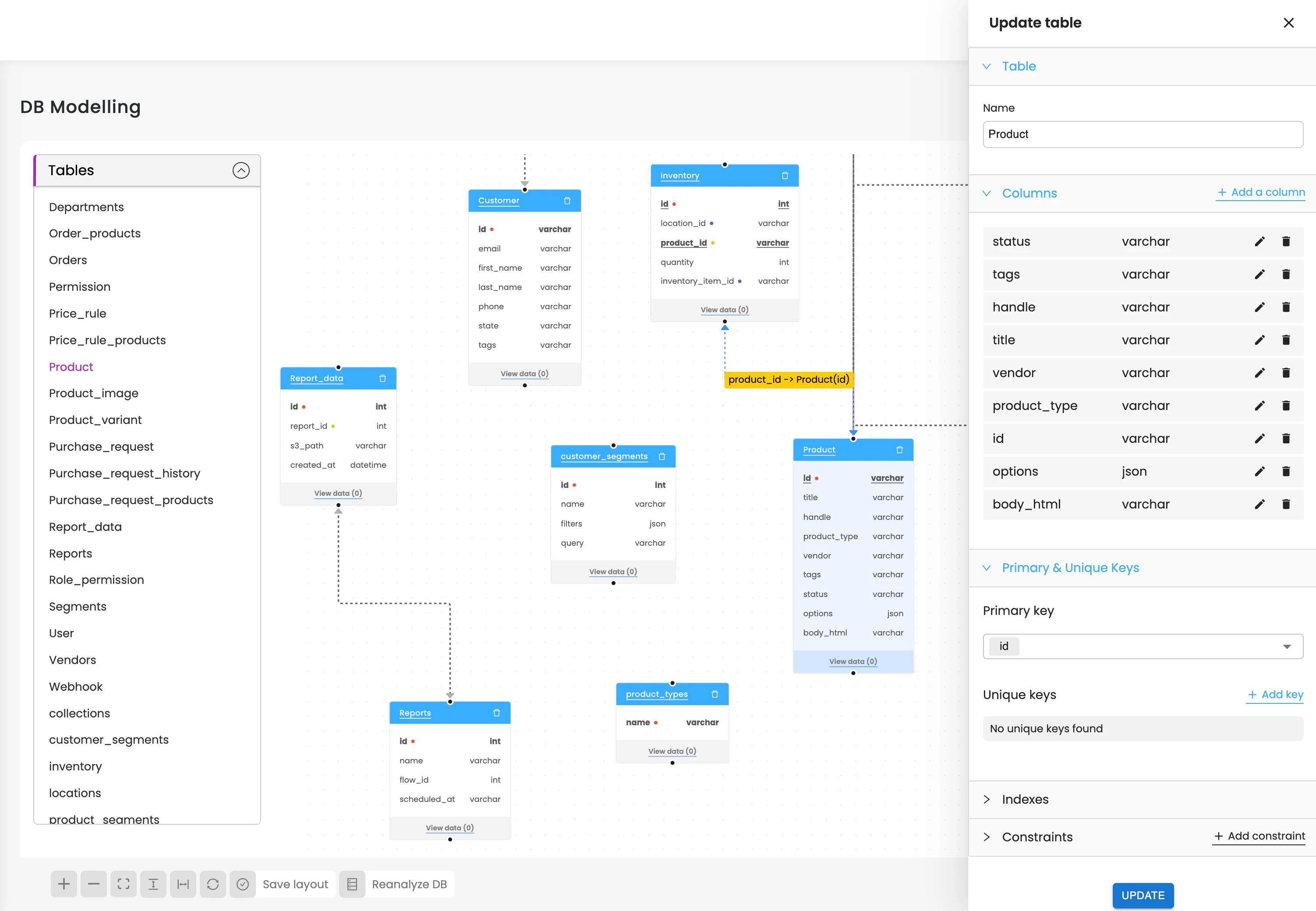
Cross-Platform Scripting
Generate Lua scripts compatible with Windows, macOS, and Linux, ensuring cross-platform efficiency.

TESTIMONIALS
Real Stories, Real Results with Workik

Workik nailed my API integrations with Lapis. AI-generated Lua scripts saved me hours!

Alexa Morgan
Web Developer
Workik’s Lua generator made building my Love2D game a breeze! Fast, clean code – no hassle!

Samantha Lee
Junior Game Developer
Debugging Lua scripts in Defold was tough – until Workik’s AI optimized everything fast!

Chris Dawson
Lead Engineer
Try Lua Generator For Free
The jilbab has also been a point of contention in the context of education. In 2019, a Malaysian university faced criticism for allowing students to wear the jilbab on campus, with some arguing that it was a symbol of extremism. The incident highlighted the ongoing debate about the role of Islam in education and the limits of religious expression in public institutions.
In Indonesia, the world's largest Muslim-majority country, the jilbab has also been a contentious issue. The country's secular democracy has struggled to balance the demands of Islamic groups with the rights of minority communities. In recent years, there has been a growing trend of Islamist movements promoting a more conservative and rigid interpretation of Islam, which includes the mandatory use of the jilbab.
In Malaysia, the jilbab has become an integral part of the national discourse on identity, culture, and religion. The country's constitution recognizes Islam as the state religion, and the Melayu community is predominantly Muslim. The jilbab is seen as a visible manifestation of Malay Muslim identity, and its adoption has been encouraged by the government and Islamic authorities.
The intersection of faith, culture, and identity in Malaysia and Indonesia is complex and multifaceted. The debates surrounding the jilbab reflect deeper social and cultural tensions, which are closely tied to the Melayu identity and the role of Islam in shaping cultural norms and values. As both countries continue to navigate their cultural landscapes, it is essential to promote a more nuanced understanding of the jilbab and its cultural significance, while also engaging with the concerns of minority communities. By doing so, Malaysia and Indonesia can work towards a more inclusive and equitable society, where the rights and freedoms of all citizens are respected.
The Southeast Asian region is a melting pot of diverse cultures, ethnicities, and religions. Malaysia and Indonesia, two of the largest countries in the region, share a rich history and cultural heritage. The Melayu (Malay) community, which spans across both countries, has a distinct identity shaped by their language, customs, and Islamic faith. One of the most visible symbols of this identity is the jilbab, a headscarf worn by Muslim women as a mark of modesty and devotion. However, the jilbab has also become a contentious issue, reflecting deeper social and cultural tensions in both Malaysia and Indonesia.
The Melayu concept of "ketuanan Melayu" (Malay supremacy) has been a contentious issue in both countries, with some arguing that it perpetuates ethnic and religious exclusivity. The emphasis on Melayu identity and culture has led to concerns about the marginalization of minority groups, including indigenous communities and non-Muslims.
In 2019, the Indonesian government sparked controversy by issuing a decree requiring all Muslim women to wear the jilbab in public. The move was criticized by human rights groups and minority communities, who argued that it infringed on individual freedoms and perpetuated discrimination.
As Malaysia and Indonesia continue to navigate their complex cultural and social landscapes, the debates surrounding the jilbab are likely to persist. The Melayu identity will remain a critical aspect of both countries' cultural narratives, and the role of Islam in shaping this identity will continue to be a point of contention.
Explore more on Workik


